
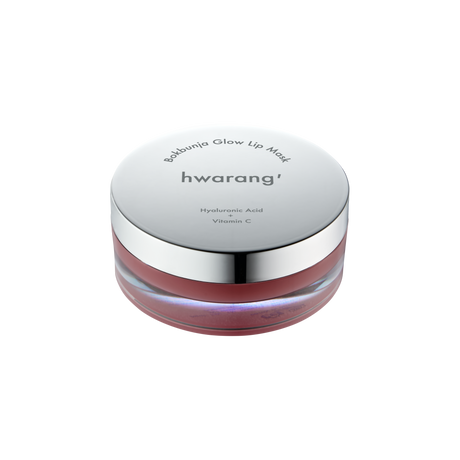
![[hwarang'] Bokbunja Glow Lip Mask](http://www.yepposoonsoo.com/cdn/shop/files/hwarang-Bokbunja-Glow-Lip-Mask-1.jpg?v=1790227999&width=460)
![[hwarang'] Bokbunja Glow Lip Mask](http://www.yepposoonsoo.com/cdn/shop/files/hwarang-Bokbunja-Glow-Lip-Mask-2.jpg?v=1790228040&width=460)
![[hwarang'] Bokbunja Glow Lip Mask](http://www.yepposoonsoo.com/cdn/shop/files/hwarang-Bokbunja-Glow-Lip-Mask-3.jpg?v=1790228064&width=460)
![[hwarang'] Bokbunja Glow Lip Mask](http://www.yepposoonsoo.com/cdn/shop/files/hwarang_-Bokbunja-Glow-Lip-Mask-lifestyle.jpg?v=1790228084&width=460)
![[hwarang'] Bokbunja Glow Lip Mask](http://www.yepposoonsoo.com/cdn/shop/files/hwarang-Bokbunja-Glow-Lip-Mask-4.jpg?v=1790228107&width=460)
![[hwarang'] Bokbunja Glow Lip Mask](http://www.yepposoonsoo.com/cdn/shop/files/hwarang-Bokbunja-Glow-Lip-Mask-5.jpg?v=1790228120&width=460)
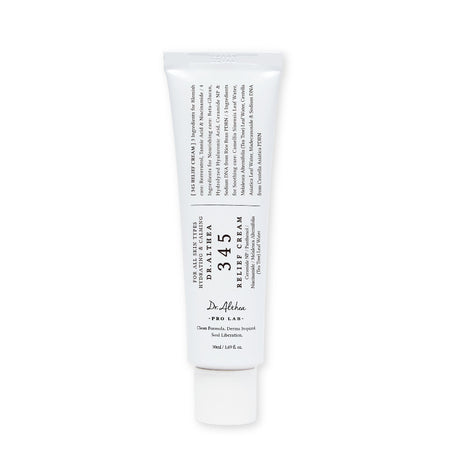
![[Dr. Althea] 345 Relief Cream](http://www.yepposoonsoo.com/cdn/shop/files/Dr._Althea-345-Relief-Cream-renewal-1.jpg?v=1769059724&width=460)
![[Dr. Althea] 345 Relief Cream](http://www.yepposoonsoo.com/cdn/shop/files/Dr._Althea-345-Relief-Cream-renewal-2.jpg?v=1769059842&width=460)
![[Dr. Althea] 345 Relief Cream](http://www.yepposoonsoo.com/cdn/shop/files/Dr._Althea-345-Relief-Cream-renewal-3.jpg?v=1769059842&width=460)
![[Dr. Althea] 345 Relief Cream](http://www.yepposoonsoo.com/cdn/shop/files/Dr._Althea-345-Relief-Cream-renewal-4.jpg?v=1769059842&width=460)
![[Dr. Althea] 345 Relief Cream](http://www.yepposoonsoo.com/cdn/shop/files/Dr._Althea-Cream-Comparision.webp?v=1777545317&width=460)
Many people are familiar with exfoliation and various exfoliating products, but it can be hard to know which exfoliating product is best for you. There are mechanical exfoliants, chemical, enzymatic... Now we will dive into the world of exfoliating products and explain the differences between them and how to use them. We will also tell you which exfoliating products are the best choice for your specific skin type.
Benefits of skin exfoliation
Exfoliation can be beneficial for most skin types, including dry skin! So exfoliation should not be limited only to oily skin types. There are also many options suitable for sensitive skin that can help sensitive skin peepz get more out of its skincare routine.
🌰 Exfoliation benefits in a nutshell:
- Removes excess dead skin cells and accumulated dirt and sebum from the skin’s outermost layer
- Cleanses pores and makes pores appear smaller
- Brighter and more even skin tone
- Improves skin texture and softens the skin
- Helps active ingredients absorb better into the skin
Exfoliation has many benefits! So does this mean you should exfoliate as often as possible to reveal new, brighter skin? Absolutely not – exfoliate mindfully, for example, once a week is suitable for many. Excessive exfoliation can weaken the skin’s protective barrier, irritate the skin, and even worsen skin inflammations.
Our skin sheds dead skin cells from its surface in cycles of about 28 days. Healthy skin should naturally exfoliates itself. But sometimes we need a little extra help. Many factors affect the skin’s natural renewal, such as dry and cold air, heating and air conditioning, different illnesses, and stress. Regular, gentle exfoliation can support skin health and promote a more radiant and even complexion.

Who is exfoliation suitable for?
You can especially benefit from exfoliation if your skin looks dull, often has impurities, you have blackheads, your skin is shiny, or if other skincare products don’t seem to absorb well into your skin. In such cases, you can try whether exfoliating products might help improve the situation!
When we are young, our skin can effectively shed dead skin cells on its own without external help. As we age, the skin's ability to remove dead skin cells slows down and it may need assistance from exfoliating products. For this reason, children and teenagers generally do not need exfoliation, and we do not recommend any exfoliating products for young people. If a child or teenager suffers from impurities or acne, we recommend consulting your own dermatologist.
So exfoliation can benefit dry, oily, sensitive, and aging skin alike! There is surely a suitable product for everyone, and next, we will go through different exfoliating products and ingredients that you have probably heard of before.
Exfoliation products and their differences
Basically, there are three different ways to exfoliate the skin: chemical, mechanical, and enzymatic.
Chemical exfoliation products are generally gentler on the skin when used correctly. As the name suggests, chemical exfoliation removes dead skin cells chemically, for example, using AHA or BHA acids.
AHA, or alpha hydroxy acid:
Is a major group of chemical exfoliants that includes lactic acid, mandelic acid, and glycolic acid. Their concentrations range from 2-20%, and they work best on the skin’s surface, softening the skin and improving texture and skin tone. It is very important to remember sun protection when using alpha hydroxy acids, as they increase the skin’s sensitivity to UV rays ☀️
BHA, or beta hydroxy acid:
More commonly known as salicylic acid, it is an oil-soluble acid that is especially suitable for treating impurities and blackheads. Compared to most AHA products, salicylic acid may absorb better into the skin and therefore works effectively on impurities deep within the skin. The concentration of salicylic acid varies between 0.5-2%.
PHA, or polyhydroxy acid:
Is a newer hydroxy acid, often you'll see gluconolactone being used. PHAs are considered gentler than other chemical exfoliants and, like some AHAs, PHAs also hydrate the skin. They have also not been found to increase skin sensitivity to sunlight.
LHA, or lipohydroxy acid:
LHA, a gentler form of salicylic acid, is very similar to salicylic acid but is a milder option for sensitive skin. Like salicylic acid, LHA is oil-soluble and is therefore a good choice for oily skin to help balance sebum production.
Physical or mechanical exfoliation is performed either with a brush, sponge, or a product containing particles (e.g., a formula with granules) that mechanically exfoliate the skin. Mechanical exfoliation can often be harsh on the skin because the intensity varies from user to user and its effectiveness is harder to control. We generally do not recommend brushes intended for exfoliation, especially for the face, as their brush heads are usually not replaced often enough, allowing bacteria to accumulate and transfer back to the skin with each use. Mechanical exfoliation is a good choice for less sensitive skin and for those who want their skincare really to feel. For fans of mechanical exfoliation, we recommend peeling gels that mechanically exfoliate without causing too much stress on the skin, such as Anua Heartleaf LHA Moisture Peeling Gel.
Enzymatic exfoliation is somewhat similar to chemical exfoliation but is often the gentlest of these options. We often recommend enzymatic exfoliation for sensitive skin. Enzymatic exfoliants often use enzymes derived from nature, such as papain enzyme, which gently breaks down dead skin cells and thus promotes skin exfoliation. If you want to try enzymatic exfoliation, try for example Eqqualberry’s brightening toner utilizing enzymes.

How often should you exfoliate your skin?
How often you should exfoliate depends entirely on your skin’s individual needs and strength. However, it’s good to keep in mind the principle: less is more
Dry skin
- Dry skin should be exfoliated, but moderately and with a gentle enough product. Once a week may be sufficient for dry skin.
- Chemical exfoliants that hydrate and exfoliate the skin at the same time are the best option for dry skin as they tackle too problems at the same time. Look for products containing PHA or AHA, especially lactic or mandelic acid.
- Product recommendation for dry skin: Medicube Zero Pore Pad Mild
Combination skin
- Combination skin usually tends to lean more toward dryness or oiliness, so choose an exfoliation product based on your skin’s primary condition.
- The amount of exfoliation depends on your skin, but we recommend starting with exfoliating 1-2 times per week or as needed.
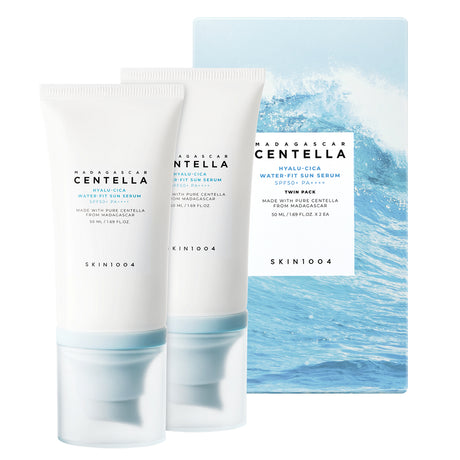
- Product recommendation for combination skin: SKIN1004 Hyalu-Cica Brightening Toner
Oily skin
- Exfoliation can be very beneficial for oily skin to prevent excess sebum from clogging pores.
- Stronger chemical exfoliation is suitable for oily skin; mechanical exfoliation may also be a good option for some.
- However, avoid using overly strong exfoliation products if your skin tone is dark or if you tend to develop hyperpigmentation after acne. This may indicate that the exfoliant you are using is too harsh for your skin or that the ingredient is not suitable for you. Too strong exfoliation can cause hyperpigmentation or hypopigmentation, especially for darker skin tones.
- For someone with oily skin, daily exfoliation with AHA or BHA acids may be suitable, but you will find the best method and amount for your skin only by testing, since it is very individual. Generally, oily skin can benefit from exfoliating 2-3 times a week.
- Product recommendation for oily skin: Beauty of Joseon Green Plum Refreshing Toner: AHA + BHA
Uneven skin tone
- If pigment disorders are your particular concern, exfoliation can help, but it must be used carefully.
- Choose a product that contains AHAs and a skin-brightening ingredient, such as niacinamide or antioxidants.
- Product recommendation for uneven skin tone treatment: Celimax Pore + Dark Spot Brightening Pad
Sensitive skin
- For sensitive skin, it is best to choose a gentle chemical exfoliation. The frequency of use depends entirely on the skin's reactivity and tolerance to exfoliation. So, you don't need to exfoliate every week, only as needed, for example once or twice a month.
- Product recommendation for sensitive skin: Axis-Y PHA Resurfacing Glow Peel

Skincare after exfoliation
When the skin is exfoliated, it can become slightly more sensitive temporarily, so it's best to avoid other strong active ingredients in the same routine, such as retinol. Also, remember to moisturize the skin well after exfoliation 💦
After exfoliating, add, for example, a moisturizing and soothing toner and ampoule before applying your moisturizer. If you want to boost the skin-brightening effect, you can try adding a generally well-tolerated ingredient to your routine, such as azelaic acid, which helps even out skin tone and reduce blemishes.
Remember, exfoliation is not necessary for all skin types, but when used correctly, it can enhance the skin's glow and softness
Sources:
https://labmuffin.com/how-to-exfoliate-2-all-about-chemical-exfoliants/
https://pubmed.ncbi.nlm.nih.gov/17348998/ info@yeppo.fi
 14 vrk palautusoikeus
 SSL Encryption
 Secure Checkout
 PCI-DSS Compliant
 PayPal Buyer Protection
 Klarna – Pay Securely
![[A'pieu] Banana Milk One-Pack Sheet Mask](http://www.yepposoonsoo.com/cdn/shop/products/6c7a85_417e0a8a8d0847a69585a88fe2eaaa26_mv2.jpg?v=1616347294&width=156)
![[A'pieu] Coffee Milk One-Pack Facemask](http://www.yepposoonsoo.com/cdn/shop/products/6c7a85_7f19d8c618b143ebb2538f2188cc26e6_mv2.jpg?v=1616346654&width=156)
![[A'pieu] Green Tea Milk One-Pack Sheet Mask](http://www.yepposoonsoo.com/cdn/shop/products/a_pieu_green_tea_milk_one_pack_21g.jpg?v=1622302818&width=156)
![[A'pieu] Icing Sweet Bar Sheet Mask Hanrabong](http://www.yepposoonsoo.com/cdn/shop/products/6c7a85_4c6f0810a10a449da62c0d9badf73533_mv2.jpg?v=1616347691&width=156)
![[A'pieu] Icing Sweet Bar Sheet Mask Pineapple](http://www.yepposoonsoo.com/cdn/shop/products/6c7a85_fcc180ff6d2049b987a2662ebe032536_mv2.jpg?v=1616347693&width=156)