Facial Sunscreen
Chemical Sunscreens are usually very lightweight and pleasant to use, and they do not leave a white residue on the skin.
Physical Sunscreens do not absorb into the skin and are often richer in texture because of this. They may also be better suited for sensitive skin than chemical sunscreens.
Hybrid Formula is typical for Korean sunscreens, achieving a beautiful finish that slightly blurs pores along with a light and fresh texture.
Read more about sunscreens
Physical or Chemical Sun Protection?
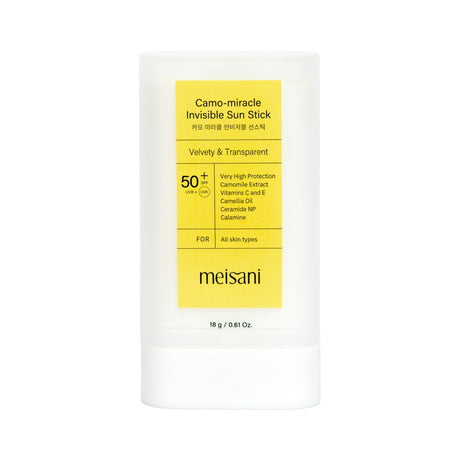
In our selection, you will find Korean physical sunscreens, chemical sunscreens, hybrid sunscreens yes sunscreen sticks.
Korean sunscreens use both chemical (organic) and physical (inorganic, mineral-based) sun protection filters. Often, the best results and protection are achieved by combining both in Korean sunscreens = hybrid sunscreen. This creates a beautiful finish that slightly blurs pores along with a light and fresh texture.
Physical also known as inorganic or mineral sunscreen, contains minerals like zinc oxide and titanium dioxide, listed in ingredients as Titanium Dioxide or Zinc Oxide. Physical sun protection scatters UV rays away from the skin to some extent (about 5%) in addition to absorbing harmful UV rays like chemical sunscreens do. However, unlike chemical sunscreens, physical sunscreens do not absorb into the skin and may therefore have a richer texture. For the most sensitive skin and babies, physical sunscreen can be a better option than chemical.
Chemical Organic sunscreens are usually very light and pleasant to use, and they do not leave a white cast on the skin, which can make it easier to apply the large amount needed. A chemical sunscreen filter absorbs the sun's harmful UV rays, preventing them from damaging the skin. Both chemical and physical sunscreens are effective and long-lasting as long as they are used correctly and reapplied often enough (a good basic rule for the face is a teaspoon every two hours when spending time in the sun).
Korean sunscreens
Korean sunscreen is not a fad; among these, you will surely find a product that suits you and is pleasant to use. Remember, whatever your favorite sunscreen is, the most important thing is to apply enough (about a teaspoon for the face) and to reapply throughout the day 💕
SPF indicates how well the product protects against the sun's UVB rays, but Korean sunscreens also feature the PA rating, which stands for "Protection Grade of UVA." It is a scale that measures the sunscreen's level of protection against UVA rays.
UVA rays are longer than UVB rays and cause less burning, but they significantly contribute to skin aging caused by UV radiation. You get the best protection from UV rays when you choose a product with both a high SPF and a high PA rating.
PA+: weak UVA protection
PA++: moderate UVA protection
PA+++: good UVA protection
PA++++: excellent UVA protection
Looking for a Korean sunscreen for the body? Every sunscreen in our selection is suitable for use on the body, and some are available in slightly larger sizes. However, there are very few Korean SPF products made specifically for the body on the market. Why? Because Koreans protect their faces not only with sunscreen but also with large hats and sunglasses. The skin on the body is primarily protected by clothing and even parasols, so sunscreen is not applied as diligently to the body. And if any part of the body is exposed to the sun, the same cream or even a sunscreen stick used for the face is applied there as well.

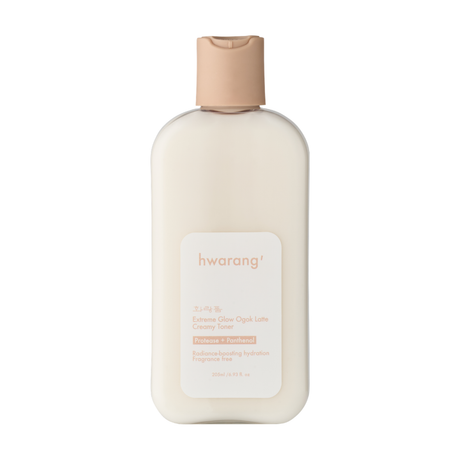
![[hwarang'] Extreme Glow Ogok Latte Creamy Toner](http://www.yepposoonsoo.com/cdn/shop/files/ogok_texture.gif?v=1774607941&width=460)
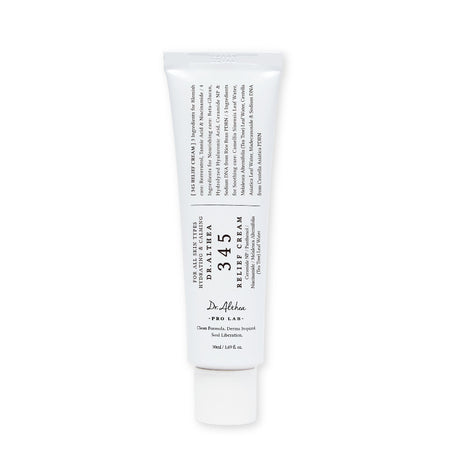
![[Dr. Althea] 345 Relief Cream](http://www.yepposoonsoo.com/cdn/shop/files/Dr._Althea-345-Relief-Cream-renewal-1.jpg?v=1769059724&width=460)
![[Dr. Althea] 345 Relief Cream](http://www.yepposoonsoo.com/cdn/shop/files/Dr._Althea-345-Relief-Cream-renewal-2.jpg?v=1769059842&width=460)
![[Dr. Althea] 345 Relief Cream](http://www.yepposoonsoo.com/cdn/shop/files/Dr._Althea-345-Relief-Cream-renewal-3.jpg?v=1769059842&width=460)
![[Dr. Althea] 345 Relief Cream](http://www.yepposoonsoo.com/cdn/shop/files/Dr._Althea-345-Relief-Cream-renewal-4.jpg?v=1769059842&width=460)
![[Dr. Althea] 345 Relief Cream](http://www.yepposoonsoo.com/cdn/shop/files/Dr._Althea-Cream-Comparision.webp?v=1777545317&width=460)
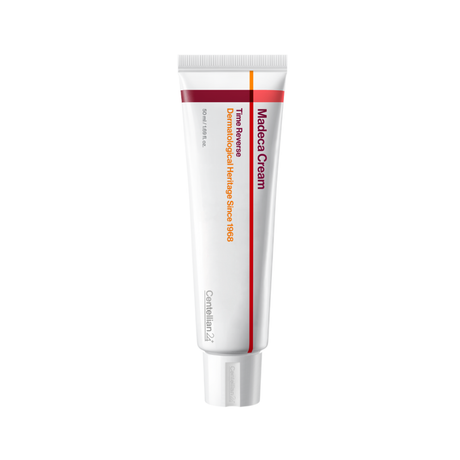
![[Centellian24] Madeca Cream Time Reverse](http://www.yepposoonsoo.com/cdn/shop/files/4_2.jpg?v=1768294891&width=460)
![[Centellian24] Madeca Cream Time Reverse](http://www.yepposoonsoo.com/cdn/shop/files/Centellian24-Madeca-Cream-Time-Reverse-texture.jpg?v=1768294891&width=460)
![[Centellian24] Madeca Cream Time Reverse](http://www.yepposoonsoo.com/cdn/shop/files/Centellian24-Madeca-Cream-Time-Reverse-texture-gif.gif?v=1768290879&width=460)
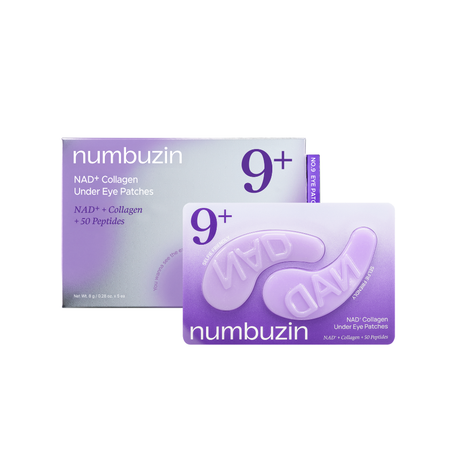
![[Numbuzin] No.9 NAD+ Collagen Under Eye Patches (5ea)](http://www.yepposoonsoo.com/cdn/shop/files/Numbuzin-No.9-NAD-Collagen-Under-Eye-Patches-1.jpg?v=1768207882&width=460)
![[Numbuzin] No.9 NAD+ Collagen Under Eye Patches (5ea)](http://www.yepposoonsoo.com/cdn/shop/files/Numbuzin-No.9-NAD-Collagen-Under-Eye-Patches-2.jpg?v=1768207882&width=460)
![[Numbuzin] No.9 NAD+ Collagen Under Eye Patches (5ea)](http://www.yepposoonsoo.com/cdn/shop/files/Numbuzin-No.9-NAD-Collagen-Under-Eye-Patches-3.jpg?v=1768207882&width=460)
![[Meisani] Camo-Miracle Invisible Sun Stick](//www.yepposoonsoo.com/cdn/shop/files/Meisani-Camo-Miracle-Invisible-Sun-Stick-1.jpg?v=1770879723&width=460) Regular price €28,68Unit price
Regular price €28,68Unit price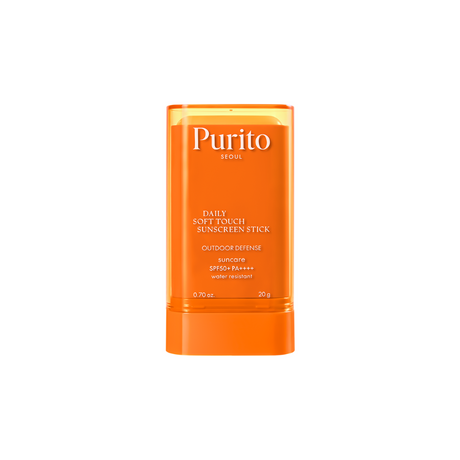
![[Purito Seoul] Daily Soft Touch Sunstick](//www.yepposoonsoo.com/cdn/shop/files/Purito-Seoul-Daily-Soft-Touch-Sunstick1.jpg?v=1755087265&width=460)
![[Purito Seoul] Daily Soft Touch Sunstick](//www.yepposoonsoo.com/cdn/shop/files/Purito-Seoul-Daily-Soft-Touch-Sunstick2.jpg?v=1755087265&width=460)
![[Purito Seoul] Daily Soft Touch Sunstick](//www.yepposoonsoo.com/cdn/shop/files/Purito-Seoul-Daily-Soft-Touch-Sunstick3.jpg?v=1754915791&width=460)
![[Purito Seoul] Daily Soft Touch Sunstick](//www.yepposoonsoo.com/cdn/shop/files/Purito-Seoul-Daily-Soft-Touch-Sunstick4.jpg?v=1754915791&width=460) Regular price €26,76Unit price
Regular price €26,76Unit price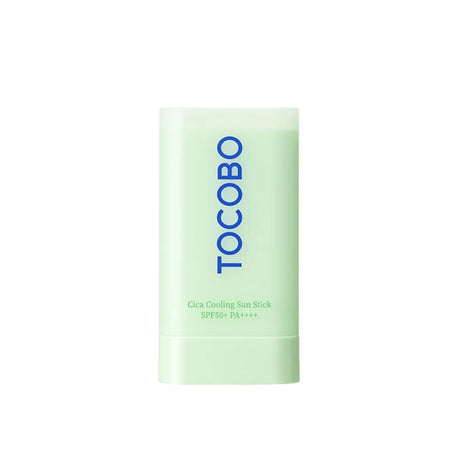
![[Tocobo] Cica Cooling Sun Stick SPF50+ PA++++](//www.yepposoonsoo.com/cdn/shop/files/Tocobo-Cica-Cooling-Sun-Stick2.webp?v=1747918516&width=460)
![[Tocobo] Cica Cooling Sun Stick SPF50+ PA++++](//www.yepposoonsoo.com/cdn/shop/files/Tocobo-Cica-Cooling-Sun-Stick3.webp?v=1747918506&width=460)
![[Tocobo] Cica Cooling Sun Stick SPF50+ PA++++](//www.yepposoonsoo.com/cdn/shop/files/Tocobo-Cica-Cooling-Sun-Stick4.webp?v=1747918496&width=460)
![[Tocobo] Cica Cooling Sun Stick SPF50+ PA++++](//www.yepposoonsoo.com/cdn/shop/files/Tocobo-Cica-Cooling-Sun-Stick5.webp?v=1747918488&width=460) Regular price €21,98Unit price
Regular price €21,98Unit price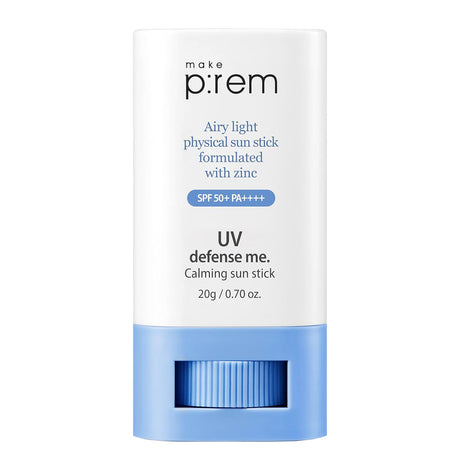
![[Make P:rem] UV Defense Me Calming Sun Stick](//www.yepposoonsoo.com/cdn/shop/files/makeprem-uv-defense-me-calming-sun-stick-2.jpg?v=1721181477&width=460)
![[Make P:rem] UV Defense Me Calming Sun Stick](//www.yepposoonsoo.com/cdn/shop/files/makeprem-uv-defense-me-calming-sun-stick-3.jpg?v=1721181477&width=460)
![[Make P:rem] UV Defense Me Calming Sun Stick](//www.yepposoonsoo.com/cdn/shop/files/makeprem-uv-defense-me-calming-sun-stick-4.jpg?v=1721181477&width=460) Regular price €33,46Unit price
Regular price €33,46Unit price
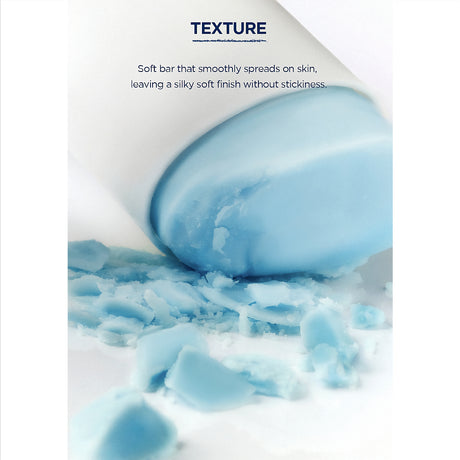
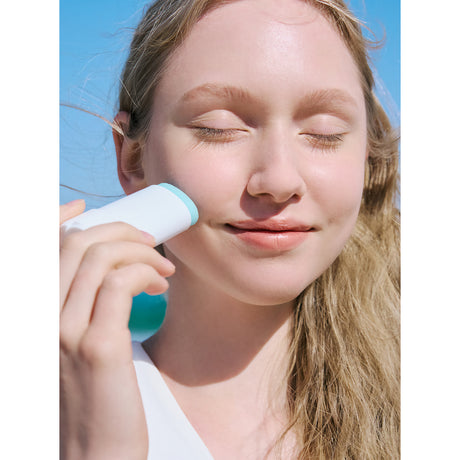 Regular priceFrom €12,42Unit price
![[Tocobo] Cotton Soft Sun Stick](//www.yepposoonsoo.com/cdn/shop/products/Tocobo-Cotton-Soft-Sun-Stick-3.jpg?v=1679044621&width=460)
![[Tocobo] Cotton Soft Sun Stick](//www.yepposoonsoo.com/cdn/shop/products/Tocobo-Cotton-Soft-Sun-Stick-2.jpg?v=1679044621&width=460)

![[Tocobo] Cotton Soft Sun Stick](//www.yepposoonsoo.com/cdn/shop/files/Tocobo-Cotton-Soft-Sun-Stick-1_480x480_2ec26f5b-1e73-4005-bd6e-8a27edefba45.jpg?v=1700824418&width=460) Regular price €21,02Unit price
Regular price €21,02Unit price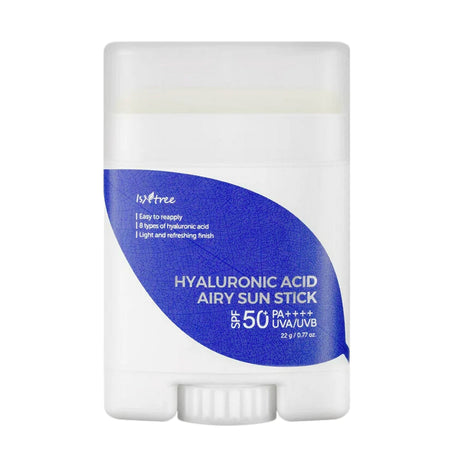
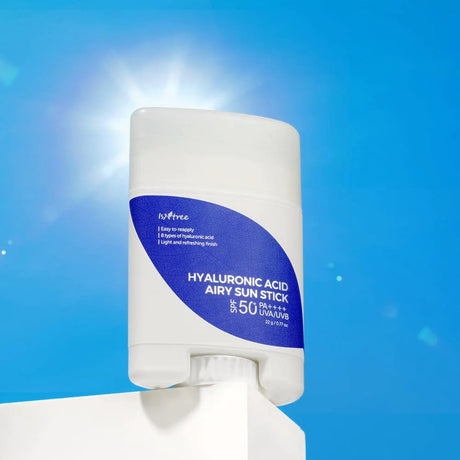
 Regular price €26,76Unit price
![[Beauty of Joseon] Matte Sun Stick : Mugwort + Camelia](//www.yepposoonsoo.com/cdn/shop/products/230103_MatteSunStick_Eng.jpg?v=1675372627&width=460)
![[Beauty of Joseon] Matte Sun Stick : Mugwort + Camelia](//www.yepposoonsoo.com/cdn/shop/products/0O8A9266.jpg?v=1675372627&width=460) Regular price €18,16Unit price
Regular price €18,16Unit price
![[Meisani] Camo-Miracle Invisible Sun Stick](http://www.yepposoonsoo.com/cdn/shop/files/Meisani-Camo-Miracle-Invisible-Sun-Stick-1.jpg?v=1770879723&width=460)
![[Purito Seoul] Daily Soft Touch Sunstick](http://www.yepposoonsoo.com/cdn/shop/files/Purito-Seoul-Daily-Soft-Touch-Sunstick1.jpg?v=1755087265&width=460)
![[Purito Seoul] Daily Soft Touch Sunstick](http://www.yepposoonsoo.com/cdn/shop/files/Purito-Seoul-Daily-Soft-Touch-Sunstick2.jpg?v=1755087265&width=460)
![[Purito Seoul] Daily Soft Touch Sunstick](http://www.yepposoonsoo.com/cdn/shop/files/Purito-Seoul-Daily-Soft-Touch-Sunstick3.jpg?v=1754915791&width=460)
![[Purito Seoul] Daily Soft Touch Sunstick](http://www.yepposoonsoo.com/cdn/shop/files/Purito-Seoul-Daily-Soft-Touch-Sunstick4.jpg?v=1754915791&width=460)
![[Tocobo] Cica Cooling Sun Stick SPF50+ PA++++](http://www.yepposoonsoo.com/cdn/shop/files/Tocobo-Cica-Cooling-Sun-Stick2.webp?v=1747918516&width=460)
![[Tocobo] Cica Cooling Sun Stick SPF50+ PA++++](http://www.yepposoonsoo.com/cdn/shop/files/Tocobo-Cica-Cooling-Sun-Stick3.webp?v=1747918506&width=460)
![[Tocobo] Cica Cooling Sun Stick SPF50+ PA++++](http://www.yepposoonsoo.com/cdn/shop/files/Tocobo-Cica-Cooling-Sun-Stick4.webp?v=1747918496&width=460)
![[Tocobo] Cica Cooling Sun Stick SPF50+ PA++++](http://www.yepposoonsoo.com/cdn/shop/files/Tocobo-Cica-Cooling-Sun-Stick5.webp?v=1747918488&width=460)
![[Make P:rem] UV Defense Me Calming Sun Stick](http://www.yepposoonsoo.com/cdn/shop/files/makeprem-uv-defense-me-calming-sun-stick-2.jpg?v=1721181477&width=460)
![[Make P:rem] UV Defense Me Calming Sun Stick](http://www.yepposoonsoo.com/cdn/shop/files/makeprem-uv-defense-me-calming-sun-stick-3.jpg?v=1721181477&width=460)
![[Make P:rem] UV Defense Me Calming Sun Stick](http://www.yepposoonsoo.com/cdn/shop/files/makeprem-uv-defense-me-calming-sun-stick-4.jpg?v=1721181477&width=460)

![[Tocobo] Cotton Soft Sun Stick](http://www.yepposoonsoo.com/cdn/shop/products/Tocobo-Cotton-Soft-Sun-Stick-3.jpg?v=1679044621&width=460)
![[Tocobo] Cotton Soft Sun Stick](http://www.yepposoonsoo.com/cdn/shop/products/Tocobo-Cotton-Soft-Sun-Stick-2.jpg?v=1679044621&width=460)

![[Tocobo] Cotton Soft Sun Stick](http://www.yepposoonsoo.com/cdn/shop/files/Tocobo-Cotton-Soft-Sun-Stick-1_480x480_2ec26f5b-1e73-4005-bd6e-8a27edefba45.jpg?v=1700824418&width=460)
![[Beauty of Joseon] Matte Sun Stick : Mugwort + Camelia](http://www.yepposoonsoo.com/cdn/shop/products/230103_MatteSunStick_Eng.jpg?v=1675372627&width=460)
![[Beauty of Joseon] Matte Sun Stick : Mugwort + Camelia](http://www.yepposoonsoo.com/cdn/shop/products/0O8A9266.jpg?v=1675372627&width=460)
 info@yeppo.fi
 14 vrk palautusoikeus
 SSL Encryption
 Secure Checkout
 PCI-DSS Compliant
 PayPal Buyer Protection
 Klarna – Pay Securely
![[A'pieu] Banana Milk One-Pack Sheet Mask](http://www.yepposoonsoo.com/cdn/shop/products/6c7a85_417e0a8a8d0847a69585a88fe2eaaa26_mv2.jpg?v=1616347294&width=156)
![[A'pieu] Coffee Milk One-Pack Facemask](http://www.yepposoonsoo.com/cdn/shop/products/6c7a85_7f19d8c618b143ebb2538f2188cc26e6_mv2.jpg?v=1616346654&width=156)
![[A'pieu] Green Tea Milk One-Pack Sheet Mask](http://www.yepposoonsoo.com/cdn/shop/products/a_pieu_green_tea_milk_one_pack_21g.jpg?v=1622302818&width=156)
![[A'pieu] Icing Sweet Bar Sheet Mask Hanrabong](http://www.yepposoonsoo.com/cdn/shop/products/6c7a85_4c6f0810a10a449da62c0d9badf73533_mv2.jpg?v=1616347691&width=156)
![[A'pieu] Icing Sweet Bar Sheet Mask Pineapple](http://www.yepposoonsoo.com/cdn/shop/products/6c7a85_fcc180ff6d2049b987a2662ebe032536_mv2.jpg?v=1616347693&width=156)